Razor bumps have a proper name, pseudofolliculitis barbae, but the name matters less than the mechanism. A hair is cut very short, often below the skin surface, and as it grows back its sharp, curved tip curls into the skin instead of out of it. The skin treats that hair like a splinter. Redness, small bumps, itching, and sometimes dark marks follow, most often on the neck and under the jaw.
Some skin and hair types are far more prone to this than others. Tightly curled hair that grows at a low angle to the skin is the classic setup. If that describes you, a baby-smooth shave may simply not be an option your skin will accept, and the goal shifts from the closest shave to the closest comfortable one. That is not a sales line. It is the honest trade at the center of this problem in Matthews and everywhere else.
Why the neck is always the worst area
Facial hair does not grow in one direction. On the cheeks it mostly grows down. Under the jaw and on the neck it swirls, changes direction in patches, and often grows almost flat against the skin. When you shave the neck with the same downward stroke you used on your cheek, you are shaving against the grain in some patches without knowing it. Against-the-grain passes cut the hair shortest, which is exactly what sets up an ingrown.
Run your fingers over a day of stubble and feel which way feels rough in each area. Rough means you are moving against growth. That map, once you learn it for your own face, is more useful than any product. Shave the neck last, give the lather time to soften that hair, and use short strokes that follow the local direction rather than one long pull from jaw to collar.
A routine that prevents most bumps
- Soften the hair first. Shave after a warm shower, or hold a warm, wet towel on the area for a minute or two. Soft hair cuts cleanly with less force, so the blade does not tug and slice the tip at an angle.
- Use one sharp blade, not five dull ones. A single-blade razor or a fresh cartridge cuts the hair once at the surface. Multi-blade systems can lift and cut below the surface, and a dull blade drags and requires repeat passes. Replace blades at the first sign of pulling.
- Shave with the grain first. One pass in the direction of growth, rinsing often. For bump-prone skin, stop there. If you need a closer result on the cheeks, re-lather before a second, across-the-grain pass, and leave the neck out of it.
- Use light pressure and short strokes. Pressing harder does not give a better shave. It flexes the skin, cuts the hair lower, and scrapes the surface. Let the weight of the razor do the work.
- Rinse cool and moisturize. Cool water calms the skin after. A plain, fragrance-free moisturizer helps the surface heal. Skip heavily scented aftershaves on irritated skin; the sting is not a sign it is working.
- Exfoliate gently between shaves. A soft washcloth or a mild exfoliating product used a few times a week keeps dead skin from trapping emerging hairs. Scrubbing hard on already inflamed bumps makes them worse, so gentle and regular beats aggressive.
What to do when a bump is already there
Leave it alone as much as you can stand to. Digging at an ingrown with tweezers or a needle breaks the skin, invites infection, and is the main route to a lasting dark mark or scar. A warm compress a couple of times a day often helps the hair work its way out on its own. Do not shave directly over an inflamed area until it settles. Shaving over bumps cuts the tops off them, spreads irritation, and restarts the cycle every morning.
If one spot becomes a painful, swollen lump, if bumps spread widely, or if dark marks and scarring keep building despite a careful routine, see a dermatologist. There are prescription treatments for persistent cases, and a professional can tell the difference between ordinary razor bumps and a skin infection or another condition that looks similar.
Where the barber's line is
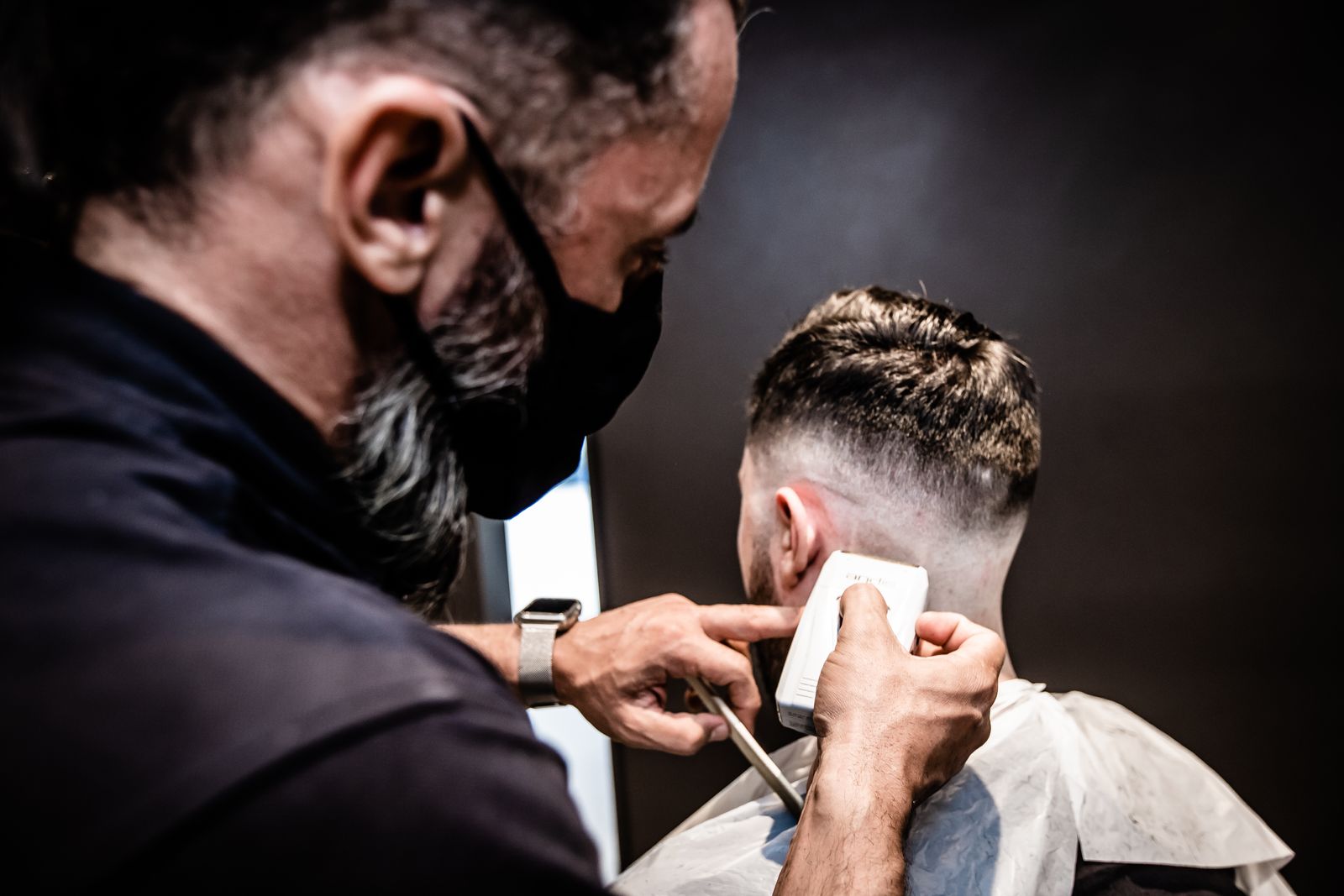
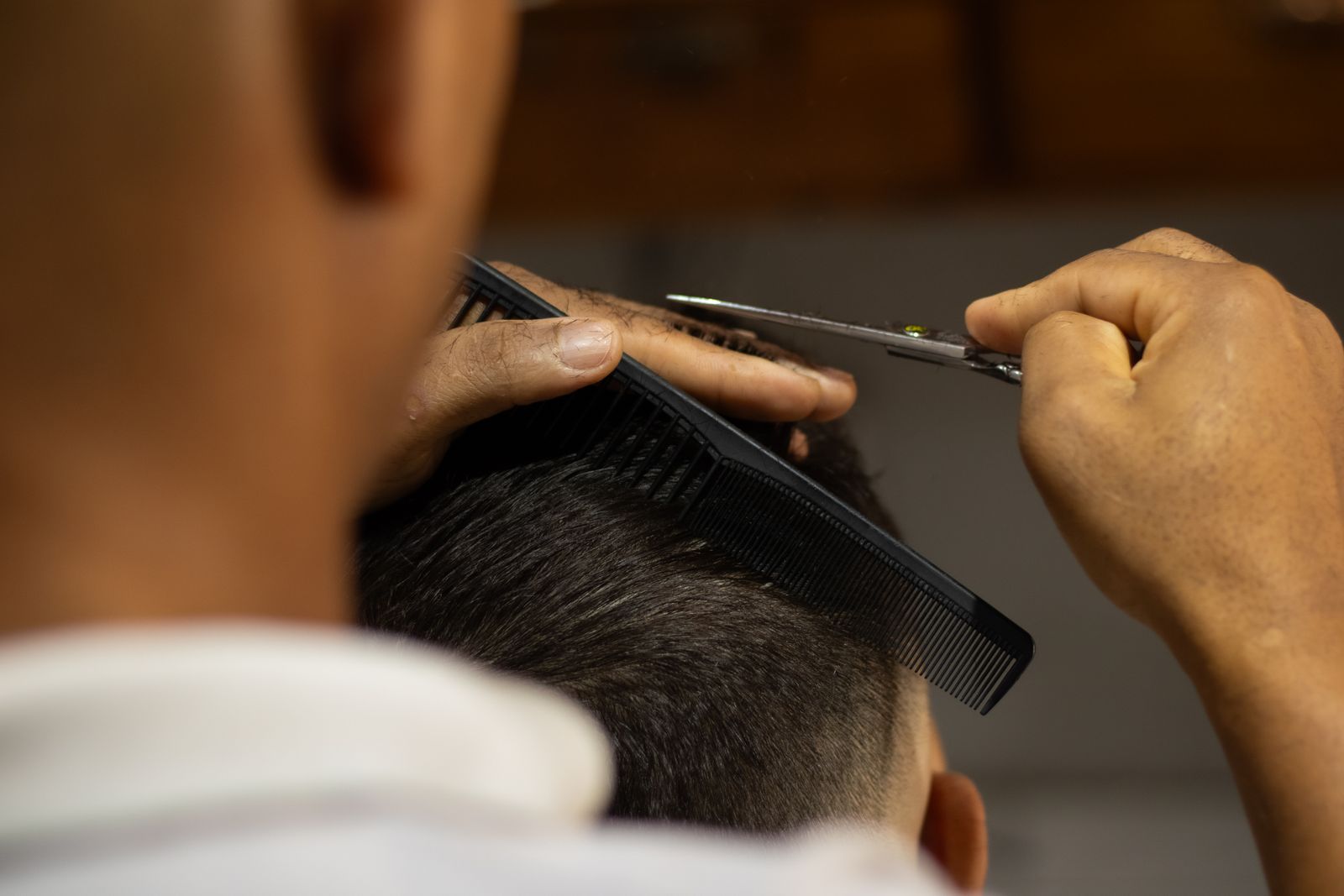
A barber can help in a few specific ways. A professional shave uses a fresh blade, proper softening, and strokes matched to your growth pattern, and many bump-prone men find a barber shave every so often easier on their skin than daily home shaving. More usefully, a barber can look at your neckline and beard edges and suggest keeping a little length there instead of a hard, razor-tight line. Leaving the edges slightly softer, or shaping a beard with clippers rather than a razor on the neck, removes the worst trouble zone entirely.
At Pappy's Cuts, asking for a less aggressive finish on the neck is a normal request, not an odd one. Say that your skin reacts to a close shave and you would rather leave a shadow than have a week of bumps. A good barber would rather hear that before the razor comes out than see the result at your next visit.
Habits that quietly keep the problem going
Shaving dry or with water alone, stretching the skin tight for extra closeness, and shaving the same patch four times to catch one stubborn hair are the three habits that undo an otherwise good routine. So is keeping a razor for months. Blades are consumables. Another quiet culprit is shaving every single day when your skin needs a recovery day. If your job allows it, skipping a day lets emerging hairs clear the surface before the next pass cuts them again.
Common questions
Are electric razors better for razor bumps?
Often, yes. Most electrics do not cut below the skin surface, so hairs are less likely to curl back in. The shave will feel slightly less close, which is exactly the trade that helps.
How long until bumps clear after I change my routine?
Give it two to four weeks. Existing bumps need time to heal and grow out, so judge a new routine by whether new bumps stop forming, not by the first few days.
Should I stop shaving against the grain completely?
If you are prone to ingrowns, yes, especially on the neck and under the jaw. With-the-grain passes plus good softening get most people close enough for work and social settings.
Photos in this guide are representative stock images.
← All guides from Pappy's Cuts← Back to Pappy's Cuts