The first five minutes in a new barber's chair decide most of the next forty. A good consultation is not small talk while the cape goes on. It is a short, specific conversation where you describe what you want, the barber reads what your hair will actually do, and you both agree on the same cut before anyone picks up clippers.
If you are switching shops in Matthews, or going back after growing your hair out for months, use the first visit at Pappy's Cuts deliberately. Bring more information than you think you need. Barbers would rather sort through a clear picture and a couple of honest sentences than guess from the phrase that haunts every shop: just clean it up.
What a barber is actually looking at
While you talk, a good barber is studying things you may never have considered. Hair texture and density. The direction your hair grows at the crown and hairline. Cowlicks that will fight a style. The shape of your head, your ears, and how your last cut grew out, which reveals how fast your hair grows and how honest your previous barber was about blending. Scars and moles matter too, because a shorter cut will expose them.
That assessment is why a barber sometimes pushes back on a photo. It is rarely about skill. Hair in a photo may be thicker, straighter, or styled with ten minutes of product and heat that you will not do at home. A useful response names the difference plainly: your hair will sit flatter there, or that length will curl once humidity hits. Listen for that kind of specifics. Vague agreement with everything you say is not a good sign.
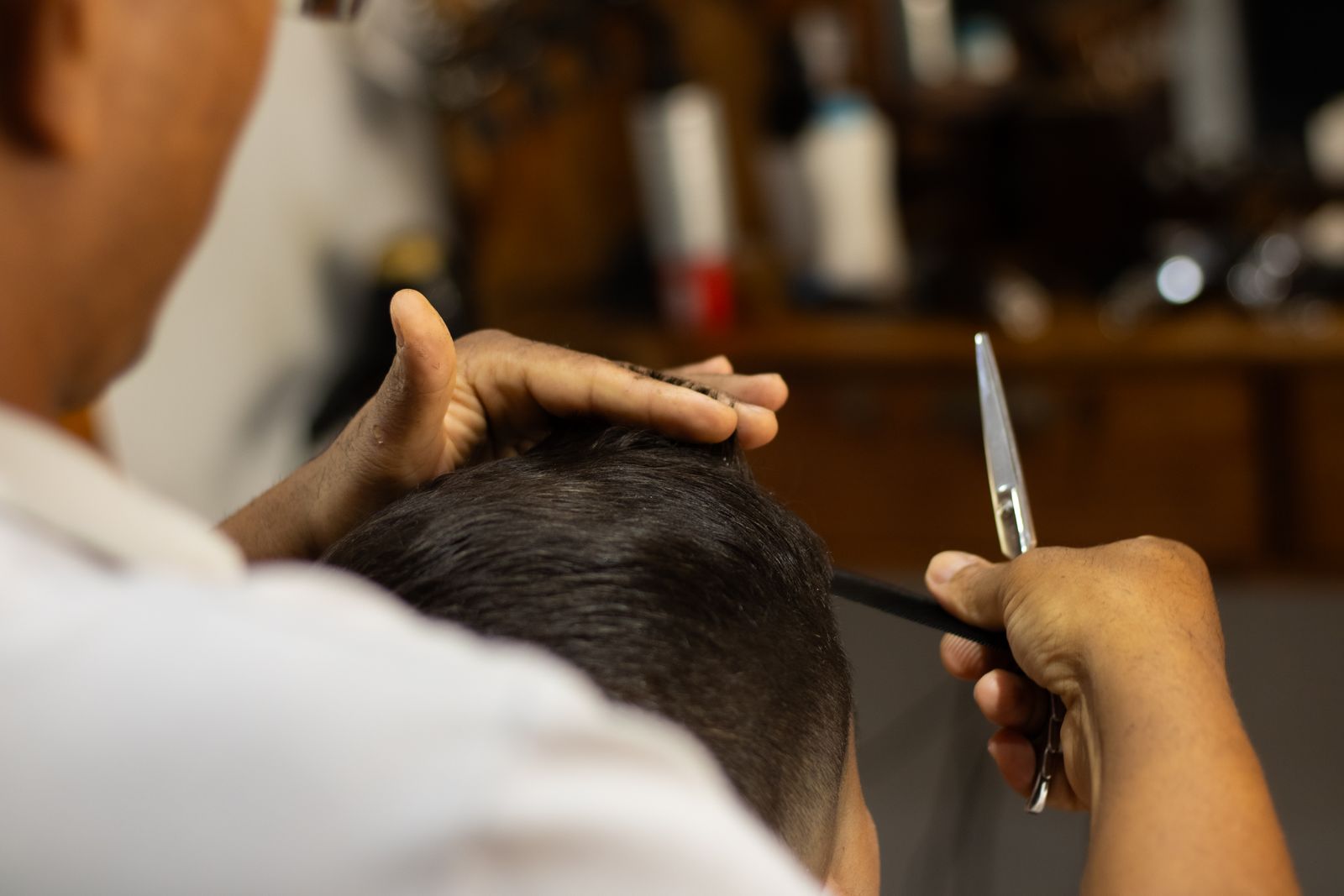
The first-visit checklist
Before and during your first appointment
- Bring a photo of your own hair on a good day. Pass: it shows your actual texture and growth. Fail: your only reference is a model with completely different hair.
- Say when your last cut was. Pass: a rough week count, which tells the barber your growth rate. Fail: no idea, which makes grow-out advice guesswork.
- Name what you liked and disliked last time. Pass: the sides felt bulky, or the fringe was too short. Fail: only a general complaint that it looked bad.
- State your morning effort honestly. Pass: two minutes and no product, said out loud. Fail: nodding along to a routine you will never do.
- Agree on lengths in plain terms. Pass: guard numbers on the sides and finger-length, shorter, or scissor-only on top. Fail: leaving with no shared words for what was done.
- Ask how it should grow out. Pass: you learn which part will bother you first and when to return. Fail: the cut only works on day one.
- Check the finish in the mirror, front and back. Pass: you look before the cape comes off and speak up. Fail: discovering the neckline at home.
What to say if you do not know the vocabulary
You do not need trade terms to get a good cut. Plain descriptions work well. Shorter on the sides than the top. Neat around the ears. Enough length on top to push to the side. Nothing that needs product to look right. Each of those tells a barber something usable. If you do use a term like fade or taper, be ready for a follow-up question, because those words cover a range. A barber asking whether you want the fade high or low is not stalling. That is the consultation working.
One more useful sentence: tell the barber what your work requires. A job with a hard hat, a headset, a dress code, or client meetings all day changes what practical means. So does coaching youth sports outdoors in Piedmont summer heat. Context beats a photo from the internet almost every time.
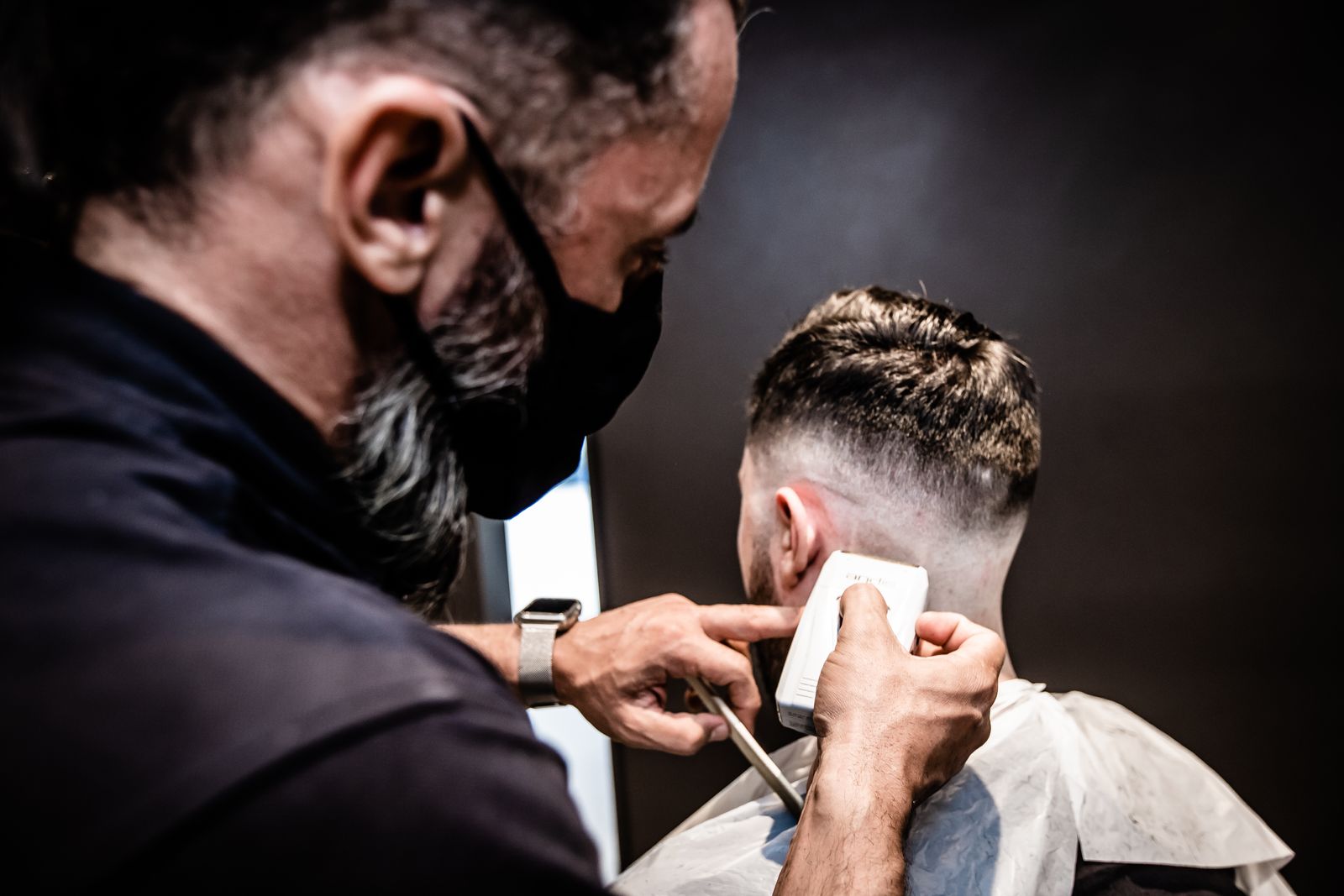
How regulars get remembered
People assume regulars get better cuts because of loyalty. The real reason is simpler. A barber who has cut your hair five times has a record in his head: your guard on the sides, how your crown behaves, what you complained about in February. Your second and third visits build that record, which is why switching shops every time costs you consistency even if every individual cut is fine.
You can speed the process up. At the end of a first cut you like, ask the barber to tell you what was done in the words he would write down: the guard, the blend, the neckline choice. Repeat it back at your next visit, to him or to another barber. Keep the same chair for a few cuts if the first one went well. Consistency is a two-way habit, and clients who return on a steady rhythm, before the cut has completely fallen apart, are the easiest heads in the shop to keep looking right.
Red flags worth noticing
A consultation that lasts five seconds. Clippers starting before you have finished describing what you want. No mirror check at the end. None of these guarantee a bad cut, but together they suggest speed matters more than the result. The opposite extreme is worth noting too: a barber who argues with every request rather than explaining one honest limitation is making the appointment about himself. The middle ground, questions plus plain explanations plus agreement before cutting, is what you are looking for.
Common questions
Should I wash my hair before a first visit?
Arrive with clean, dry hair and no heavy product if you can. It lets the barber see your natural texture and growth direction, which is what the consultation is based on.
Is it rude to bring photos?
No, photos help. Bring one of your own hair if possible, and be open to hearing how a reference style would need adjusting for your texture or hairline.
What if I do not like the cut?
Say so before you leave, specifically and calmly. Many issues, like bulky sides or a long fringe, can be fixed in a few minutes in the same visit.
Photos in this guide are representative stock images.
← All guides from Pappy's Cuts← Back to Pappy's Cuts